Faces age unevenly. Some people notice heavy eyelids first, others a lowered brow, deeper forehead lines, or a hairline that has crept back. Each change has several possible remedies, and the decision about whether surgery is appropriate depends on what is bothering you, what is causing it, and what you are prepared to accept. The upper face ages through the loss of skin elasticity, the descent of soft tissue and the changing shape of bone. The brows often drop, especially at the outer ends, which can make the eyelids look heavier and the expression tired or stern. Forehead lines deepen with years of muscle movement, and the hairline may recede or thin. Hairline position is also a matter of inheritance. A high forehead may be a lifelong feature, and a receding hairline may reflect hair loss that is still progressing. The two call for different approaches, and a surgeon should explain which applies. A consultation with Dr Jonathan Dunne, a consultant plastic surgeon, begins with an individual assessment of the face, including the brows, eyelids, skin and hairline. His practice offers both surgical and non-surgical facial treatments, with an approach tailored to each patient's needs. Learn more at https://jonathan-dunne.com/. A brow lift raises the position of the eyebrows and can be done through incisions hidden in or near the hairline, or through small keyhole incisions with an endoscope. It is considered when a low brow, rather than excess eyelid skin, accounts for the heaviness of the upper face. Many people need both brow and eyelid assessment, since the two interact. Hairline-lowering surgery shortens a high forehead by moving the hairline forward, with the scar placed along the front edge of the hair. It is a different operation with a different purpose, and it carries issues such as scar visibility and numbness. Hair transplantation is a separate option for filling a thinning hairline. Not every concern needs an operation. A surgeon who is candid about when surgery would add little and when it would help is giving useful advice. Timing and anatomy matter too. A brow lift placed through the hairline lifts the whole forehead and can raise the hairline slightly, which is unwelcome in someone who already has a high forehead. Endoscopic approaches avoid long scars but suit certain patients better than others. Because the choice of incision changes where the scar sits and how the hairline behaves, the surgeon should show you where the scar would lie and discuss what happens if hair thins in later life. Non-surgical options can soften some signs of ageing. Botulinum toxin relaxes the muscles that create forehead and frown lines and can modestly lift the outer brow. Fillers restore volume, and skin treatments improve texture. Medical treatments may slow hair loss. These methods have an advantage in reversibility and lower risk, and they have limits in durability and in how much they can change position. A heavy brow or a lax forehead will not be fully corrected with injections alone, and repeated treatment adds up in cost over the years. A sensible consultation compares options side by side, including what each can achieve, how long it lasts, what recovery involves, and what it costs over five or ten years. Many people use a combination, starting with injectables to find out what bothers them most, and then turning to surgery when they know what they want. That sequence can reduce regret, since you learn how your face responds before you commit to an operation. Professional standards cover cosmetic surgery because patients are vulnerable to pressure. The Royal College of Surgeons states on its page for professional standards for cosmetic surgery that it has developed guidance for all surgeons who perform cosmetic surgery, addressing communication with patients, consent, professional behaviours and dealing with the psychologically vulnerable patient. In practice, that means the surgeon should lead the consultation, explain the risks and likely outcomes and make sure you have time to reflect. Professional bodies commonly recommend a cooling-off period of at least two weeks between consultation and consent for major procedures. Be wary of discounts that expire, requests for a deposit at the first visit and photographs that cannot be tied to named patients and clear timelines. These are signs that sales matter more than care. If a clinic cannot name the surgeon who will operate or the hospital where it will be done, ask again before you take any further step. Think about timing and tolerance. Surgery above the eyes involves swelling and bruising that may last two weeks or more, and scars take months to mature. Plan time off work and avoid important events in the weeks afterward. Health matters. Smoking impairs healing and raises the risk of wound problems, and some medicines increase bleeding. Tell the surgeon about all medicines, previous surgery and any history of low mood or body image concerns. Finally, define what success would look like. A brow lift can open the eyes and reduce a tired look, but it will not stop ageing. Surgeons usually welcome patients who want to look rested and recognisable, and be cautious about those who want to look like someone else. The best results tend to come from collaboration, in which the patient describes what they see in the mirror and the surgeon explains what can be changed and what cannot, and both agree before any date is fixed.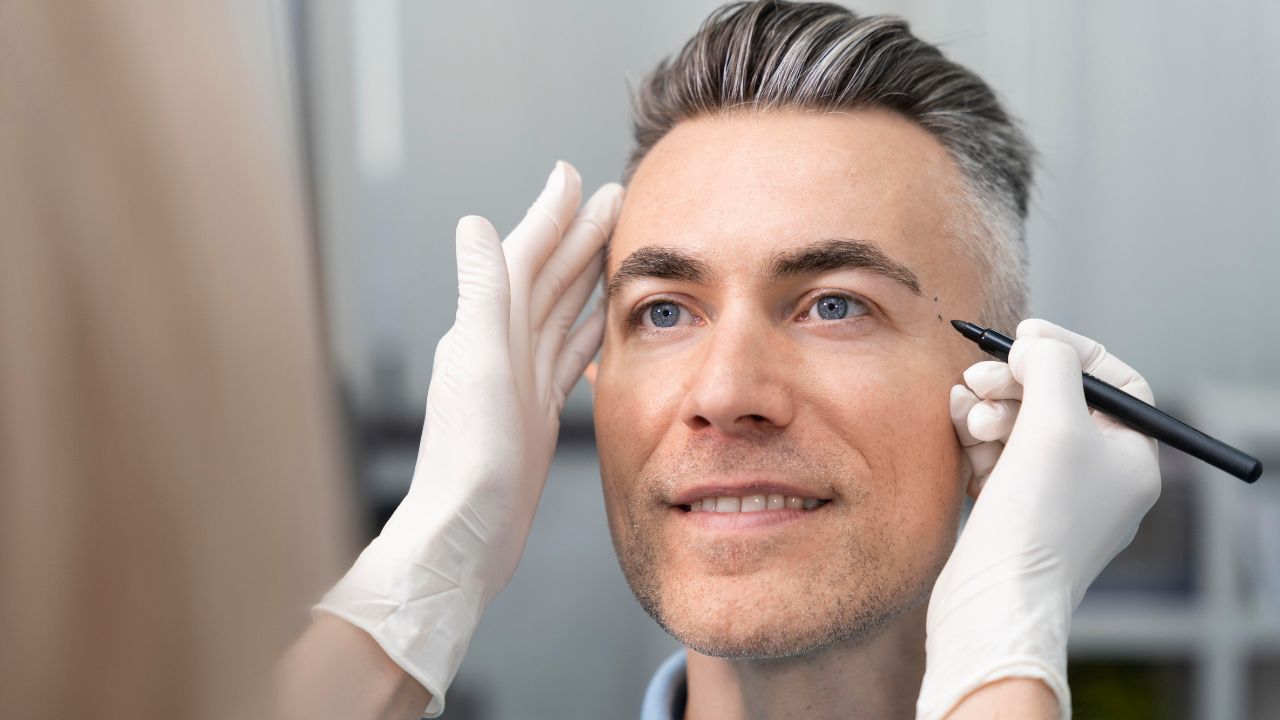
Hairline, Brows and Facial Ageing: When to Consider a Surgical Option
What changes in the upper face
Brow and hairline surgery in outline
Non-surgical alternatives and their limits
What good practice looks like
Planning, recovery and realistic expectations
